 QA
QALangGraph Modular Workflows
LangGraph state management is the foundation of reliable stateful AI agents. Learn how LangGraph stores, updates, shares, and persists state across graph…
LangGraph reducers determine how updates from nodes are combined when multiple parts of an agent modify the same state. Learn how overwrite,…
Gemini CLI 0.55.1 introduces tool registry discovery alongside security, CI, release verification, and filesystem-related changes. Here's what QA engineers and SDETs should…
API testing GraphQL requires more than checking response status codes. Learn how to validate schemas, operations, authorization, business rules, performance, errors, and…
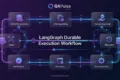
LangGraph durable execution helps AI workflows survive interruptions, human decisions, worker failures, and external API problems. Learn how checkpoints, interrupts, idempotency, recovery…
AutoGen function tools connect AI agents with deterministic software capabilities. Learn tool orchestration, validation, security, retries, testing, observability, and production architecture with…
LangChain 1.5.4 Released with several LangChain Core fixes and compatibility improvements. Learn what changed and how QA engineers and SDETs should validate…
LangGraph Runtime Context is an execution-time mechanism for providing application dependencies, configuration, user information, and services to graph nodes without unnecessarily placing…
Learn 9 powerful LangGraph production architecture strategies for building reliable AI workflows with state, routing, validation, retries, testing, observability, and human approval.
Cursor AI becomes far more reliable when developers provide the right context instead of simply giving the AI access to an entire…