 QA
QAAgentic AI
Learn how TencentDB Agent Memory can support persistent AI agents through memory retrieval, context engineering, lifecycle management, security, and automated testing.
Learn how to design a reliable AutoGen Assistant Agent with controlled tools, structured outputs, risk-based autonomy, human approval, testing, failure recovery, observability,…
AutoGen User Proxy Agent enables AI systems to combine autonomous agent workflows with human judgment. Learn approval patterns, risk controls, tool governance,…

AutoGen agent-to-agent conversations turn individual AI agents into collaborative workflows. Learn how to design agent responsibilities, communication contracts, context handoffs, validation, sequential…
An AutoGen AI agent is more than a model wrapped in Python. Learn how to design, evaluate, validate, observe, and secure reliable…

AutoGen installation is only the beginning. Learn how to build a reliable Python development environment with virtual environments, dependencies, configuration, secure API…
AutoGen is a framework for building AI-agent applications and multi-agent systems. Learn what AutoGen is, how AI agents work, why multiple agents…
Claude Code is evolving beyond code generation into agentic software engineering. Learn how to build controlled workflows for repository exploration, planning, implementation,…
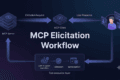
MCP Elicitation enables safer AI agents by requesting user input, validating decisions, and controlling high-impact MCP actions.
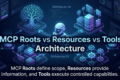
MCP Roots vs Resources vs Tools explains the practical difference between scope, information, and executable capabilities in production MCP servers, including security,…