QA
QA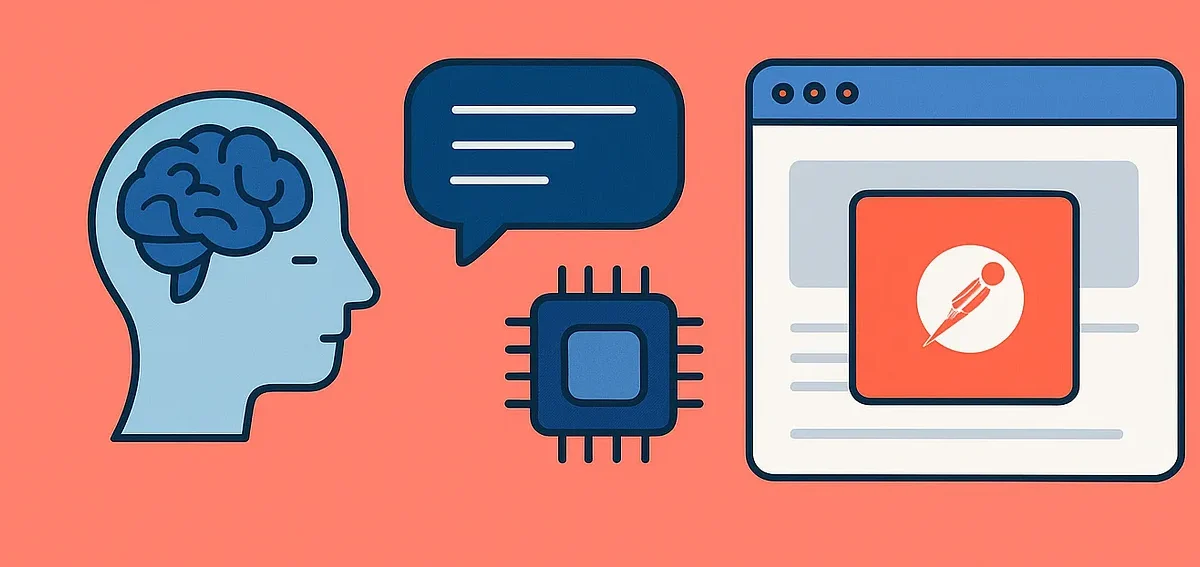
API testing has come a long way, but most teams are still stuck in the past.
They believe they have automation in Postman.
In reality, what they have is:
- Outdated test scripts
- Duplicated requests
- Broken assertions
- Zero visibility into coverage
In 2026—where APIs evolve weekly and systems depend heavily on clean, reliable data—this is no longer acceptable.
This is not automation.
This is technical debt disguised as testing.
Let’s break down why traditional Postman automation is failing—and how AI is transforming it.
1. Tests That Don’t Evolve
The biggest issue with most Postman collections is simple:
They age faster than your code.
A small backend change—like renaming a field or updating a response structure—can break dozens of tests instantly.
And the worst part?
Most teams don’t even notice until something fails in production.
AI Fix
AI-powered agents can:
- Detect schema changes automatically
- Identify breaking updates
- Rewrite outdated assertions
- Notify teams proactively
Your test suite becomes self-maintaining instead of reactive.
2. Static Assertions That Don’t Learn
Most Postman tests still rely on basic checks:
pm.test("Status is 200", () => {
    pm.response.to.have.status(200);
});
This approach is too shallow for modern APIs.
Today’s systems require:
- Contract validation
- Boundary testing
- Context-aware checks
- Security validation
AI Fix
AI analyzes:
- OpenAPI specifications
- Historical responses
- Real production traffic
Then generates intelligent validations such as:
- Schema consistency checks
- Enum validation
- Edge-case detection
- Context-aware assertions
Your tests evolve from simple checks to intelligent validation systems.
3. No Visibility Into Test Coverage
Traditional Postman workflows cannot answer critical questions:
- Which endpoints are not tested?
- Which flows are incomplete?
- Which error scenarios are ignored?
- Which services lack validation?
You only discover gaps after failures occur.
AI Fix
AI builds a coverage intelligence layer:
- Extracts endpoints from API specs
- Maps them to existing Postman requests
- Identifies missing coverage
- Suggests or generates new tests automatically
Postman becomes a coverage-aware testing platform.
4. Duplicate Requests Everywhere
Most teams have chaotic collections like:
/users/users-final/users-working/users-latest-final-v2
No one knows which request is correct.
AI Fix
AI can:
- Detect duplicate requests
- Merge similar endpoints
- Standardize naming conventions
- Refactor collections automatically
This transforms messy folders into clean, maintainable API libraries.
5. Broken or Outdated Documentation
A common problem:
- Developers update Swagger
- Testers update Postman
- Documentation is never aligned
Over time, everything drifts apart.
AI Fix
AI synchronizes your ecosystem:
- Syncs Postman with OpenAPI specs
- Generates examples from real responses
- Updates descriptions automatically
- Creates workflow documentation
Your system becomes self-documenting and always up to date.
What AI + Postman Looks Like in 2026
When AI is integrated properly, Postman evolves into something much more powerful.
Self-Updating Collections
Every API change triggers automatic test updates.
Adaptive Assertions
Tests adjust dynamically based on real behavior.
Full Coverage Visibility
No blind spots. Every endpoint is tracked and validated.
Self-Healing Tests
Minor failures are fixed automatically without human intervention.
Auto-Generated Workflows
Describe a feature, and AI generates:
- Requests
- Test scripts
- Collections
- Execution flows
Why This Shift Matters
This transformation brings measurable improvements:
- Reduced maintenance effort
- Faster test execution cycles
- Higher confidence in API stability
- Better alignment between teams
Most importantly, it changes how QA teams work.
Final Thoughts
Postman is not outdated.
The way most teams use it is.
When you introduce:
- AI reasoning
- Multi-agent systems
- RAG-based validation
- Self-healing automation
Your Postman collection becomes a living testing system.
More Relevant Articles
- The Self-Healing Load Test: How k6 + AI Auto-Tunes Thresholds & Fixes Performance Regressions
- Load Testing Microservices with AI Personas: k6 + LLM-Generated User Journeys
- How I Built a Postman Bot That Detects Breaking API Changes Before Deployment (Using LLM)